🏛️Top Attractions in Shangri-La
{city} — {count} places to explore
“Help me plan Top Attractions in Shangri-La”
Songzanlin Monastery
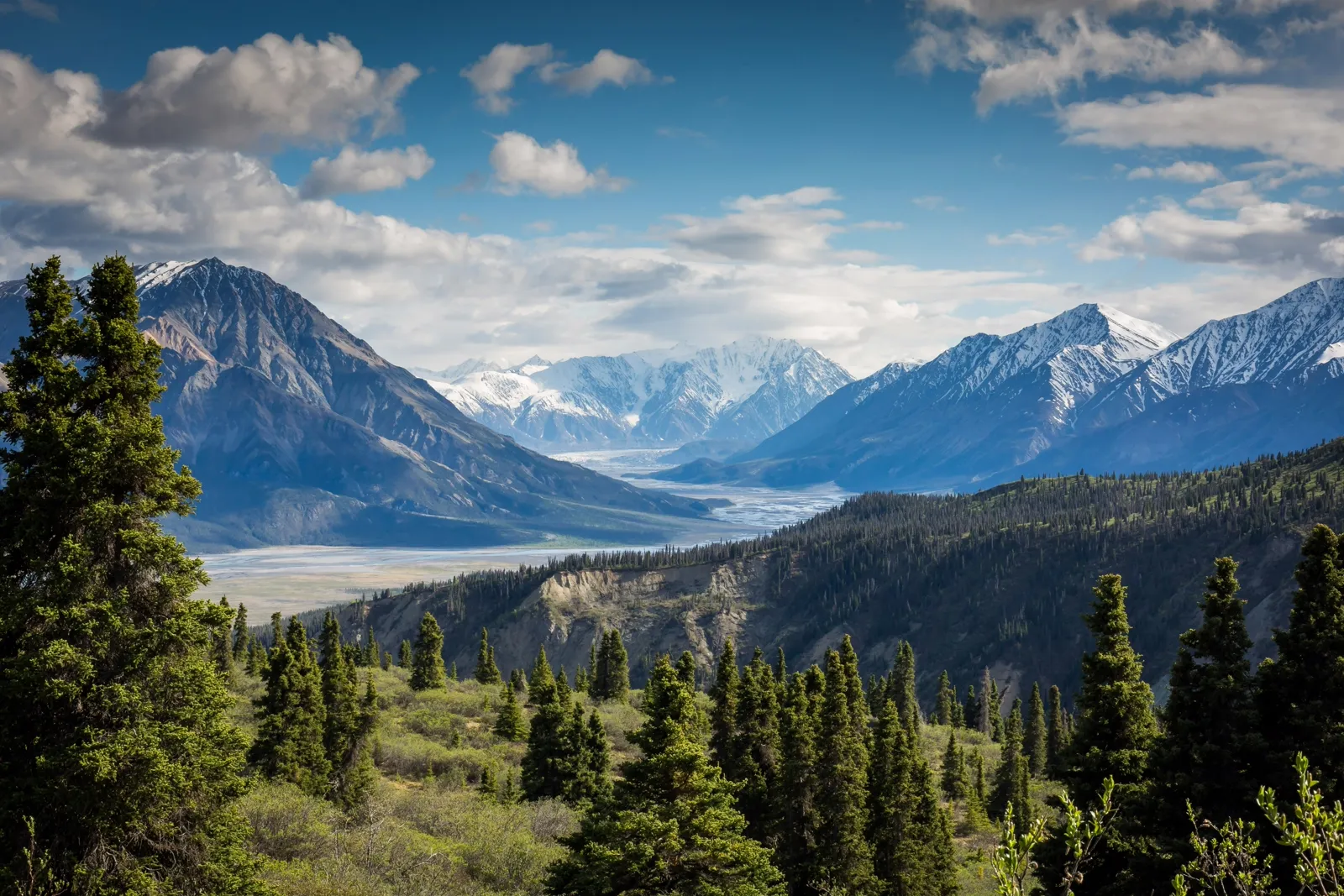
Founded in 1679 and rebuilt after 1959 damage, Songzanlin is the largest Tibetan-Buddhist Gelug monastery in Yunnan, housing around 700 monks. The five-story main hall is gilded in copper and gold and sits at the foot of Foping Mountain, modeled loosely on Lhasa's Potala Palace. Visitors typically spend 2-3 hours: the front temple (open to tourists), the upper meditation halls (closed to visitors), and the surrounding lake that reflects the monastery in still weather.
Pudacuo National Park
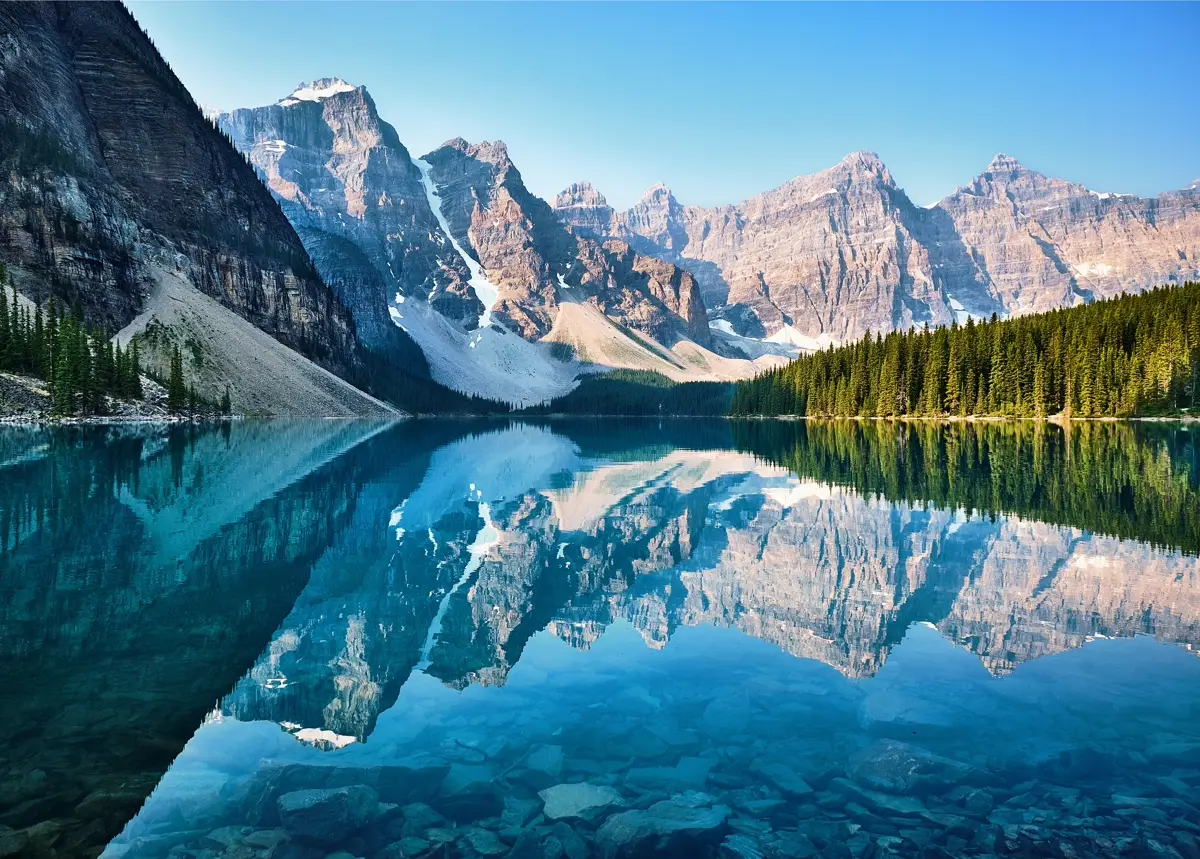
Opened in 2007 as China's first national park at the mainland level, Pudacuo protects 1,300 km² of alpine wetlands, fir forests, and three lakes (Bita Hai, Shudu Hai, and Duocuo) at 3,500-4,000m elevation. The park's Shudu Lake and Bita Lake host rare species including the Yunnan snub-nosed monkey, black-necked cranes (winter migrants), and the endangered Yunnan green pea. Most visitors ride the park's mandatory sightseeing bus between three viewing areas and walk the 4 km boardwalk at Shudu Lake.

Dukezong Old Town
Built over 1,300 years ago as a stop on the ancient Tea-Horse Road, Dukezong means 'Moonlight City' in Tibetan. The old town covers 3 square km of cobblestone alleys, whitewashed Tibetan houses, and a central square dominated by the Guishan Park giant prayer wheel — 21 meters tall, weighing 60 tons, requiring multiple monks to rotate. A 2014 fire destroyed much of the original quarter; the reconstruction was completed in 2016 and rebuilt with concrete fireproofing but preserved the street plan.

Tiger Leaping Gorge
One of the deepest gorges on Earth: the Jinsha River (upper Yangtze) drops 3,900 meters between Haba Snow Mountain (5,396m) and Yulong Snow Mountain (5,596m) over a 16-km stretch. The gorge is named after a legend of a tiger leaping across at its narrowest point (about 30m wide at the river level). The classic 2-day trek runs the 28-km high trail along the north side with basic guesthouses at Halfway and Tina's Guesthouse; the lower road is now paved and accessible by minibus for a same-day view from the river.
Napa Lake Wetland
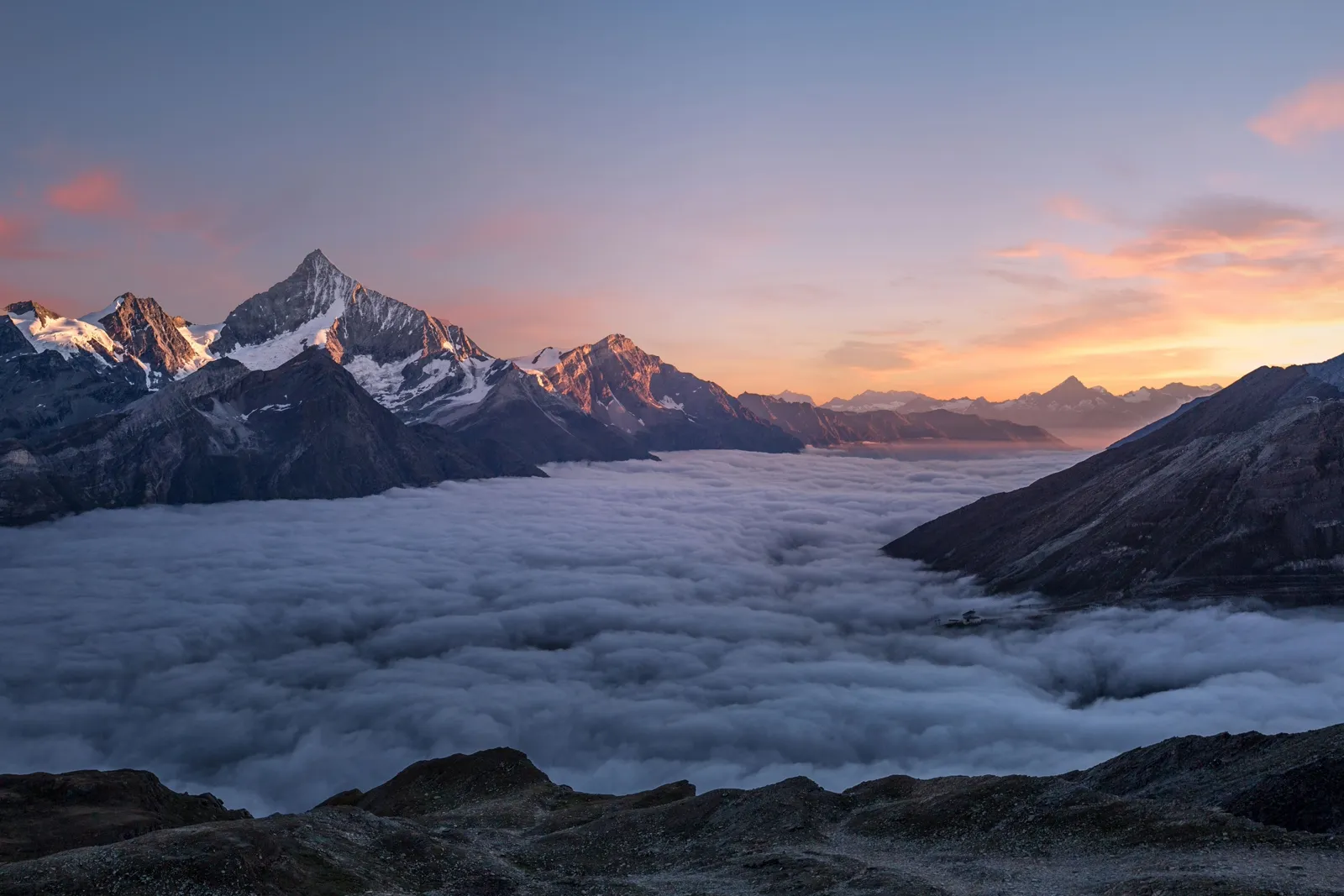
Napa Hai (literally 'Napa Sea') is a seasonal lake and wetland 8 km north of Shangri-La Old Town. From June to September it floods into a 30 km² lake; from October to May it becomes a high-altitude grassland grazed by yaks, horses, and the endangered black-necked cranes (which migrate here from Tibet for winter). The wetland is officially protected and a popular spot for horse riding — most guesthouses in town can arrange a half-day ride for ¥150-300.

Meili Snow Mountains (Kawagebo)
From Deqin County 2.5 hours north of Shangri-La, the Meili range offers the closest road-accessible view of Kawagebo — the sacred 6,740m peak that has never been summited. Kawagebo is one of only two 6,000m+ peaks in the world that has never been climbed (the other is K2's sister). The best viewpoint is the Feilai Si pass, which sees 'sunlit golden peak' (sunrise hitting Kawagebo) only ~30 days per year, mostly October-November. Most visitors stay one night in Deqin and return the next morning.
Litong Temple & Tiansheng Bridge
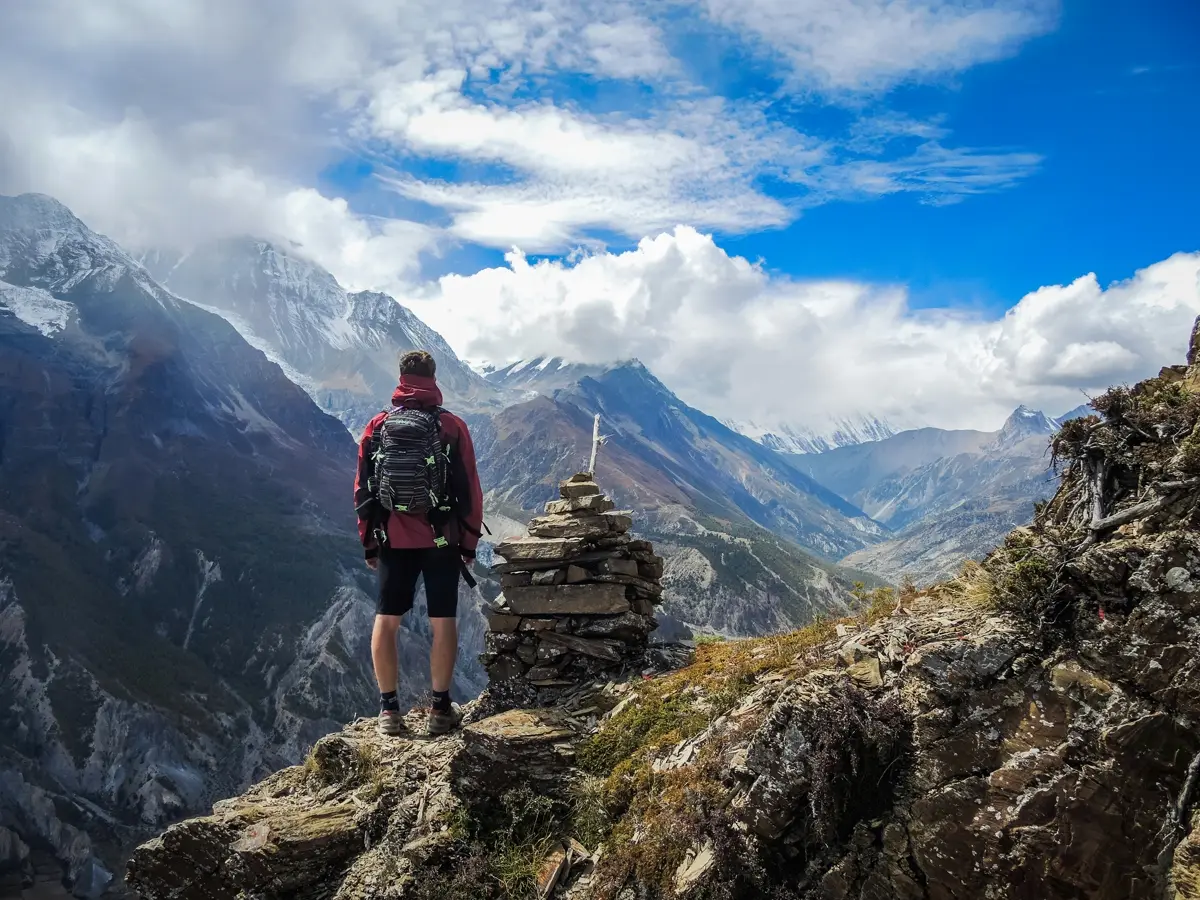
Litong Temple is a small Gelug monastery at the foot of Tiansheng Snow Mountain (also called Haba Snow Mountain's southern flank), 30 km north of Shangri-La. The monastery is small (around 30 monks) but the surrounding area combines Tibetan Buddhist farmhouses, a natural hot spring pool, and the dramatic Tiansheng Bridge limestone formation. Less crowded than Songzanlin but a better feel for everyday Tibetan religious life.

Shangri-La Zoological Garden
A small zoo operated by the Diqing Forestry Bureau, focused on native highland species rather than international animals. Notable residents: yaks, Tibetan mastiffs, snow leopards (in cold-climate enclosures), brown bears, and black-necked cranes. Better than its modest size suggests — well-maintained enclosures and very low crowds. Good option for a half-day with children or on weather-restricted days.

Haba Snow Mountain
Haba Xue Shan (5,396m) is one of the most accessible 5,000m+ peaks for climbers without technical experience — the standard summit route is non-technical scrambling, often attempted as a 2-day climb with a guide. The mountain also has lower trails to Black Lake (Heihai) and Tiger Leaping Gorge trailhead. The village at the base (Haba Cun) is small Naxi and far less touristy than its famous southern neighbor Yulong Xue Shan.
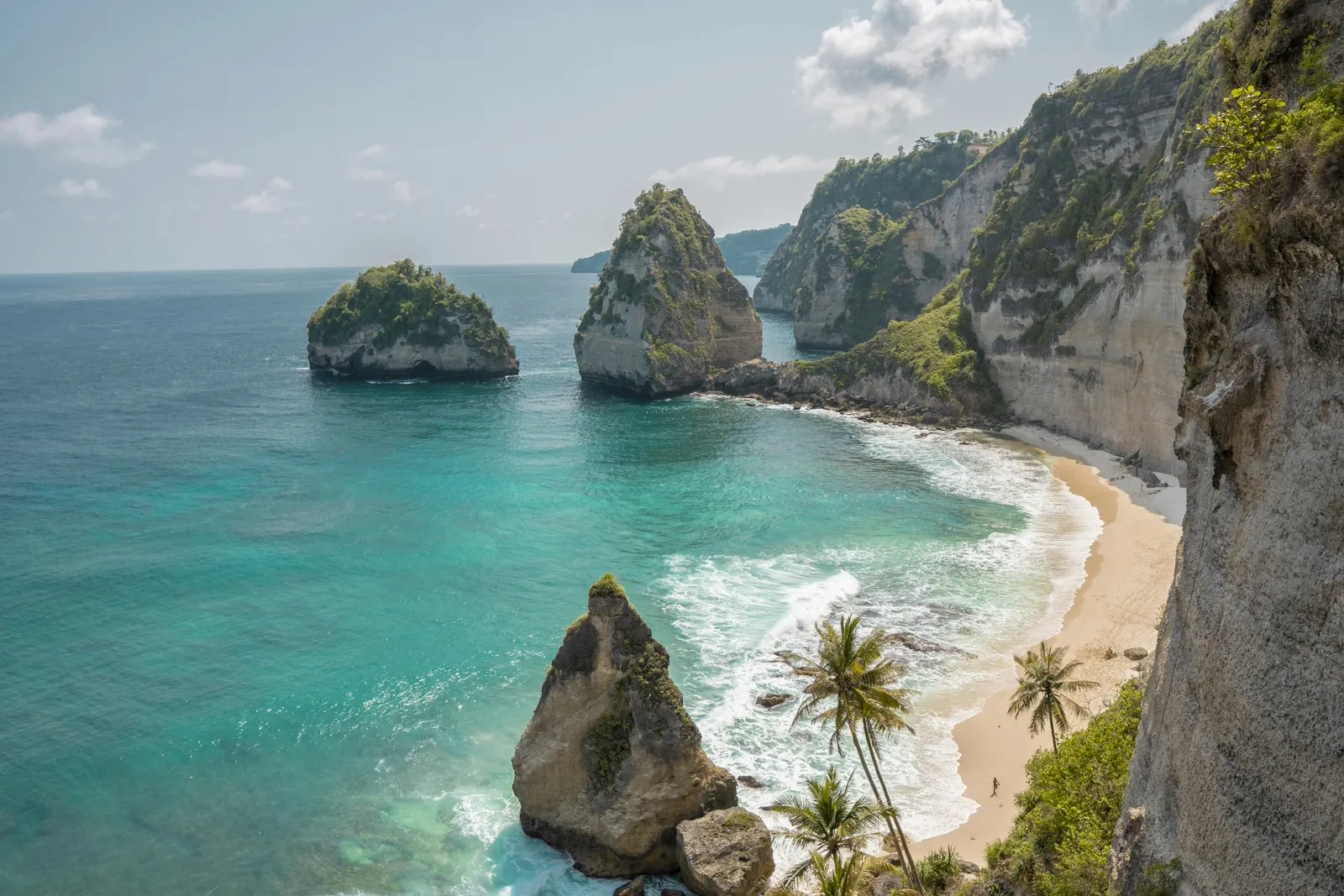
Diqing Tibetan Autonomous Prefecture Museum
Free museum in the new town covering Diqing's Tibetan cultural history, geology, and ecological zones. Three floors: ground floor (Tibetan ethnic culture, religious objects), second floor (natural history, fossils, animals of the Hengduan Mountains), third floor (rotating photography exhibits). English signage is functional but patchy; the building itself — modern Tibetan architectural style — is worth a quick photo.

Baijisi Temple
Small hilltop nunnery overlooking Dukezong Old Town, founded in the early 18th century. The temple houses around 30 nuns and offers the best panoramic view of Shangri-La Old Town and Foping Mountain behind Songzanlin. A 15-minute uphill walk from the old town. Quieter than Songzanlin and rarely visited by tour groups; a good place to talk with the nuns if you speak Mandarin.
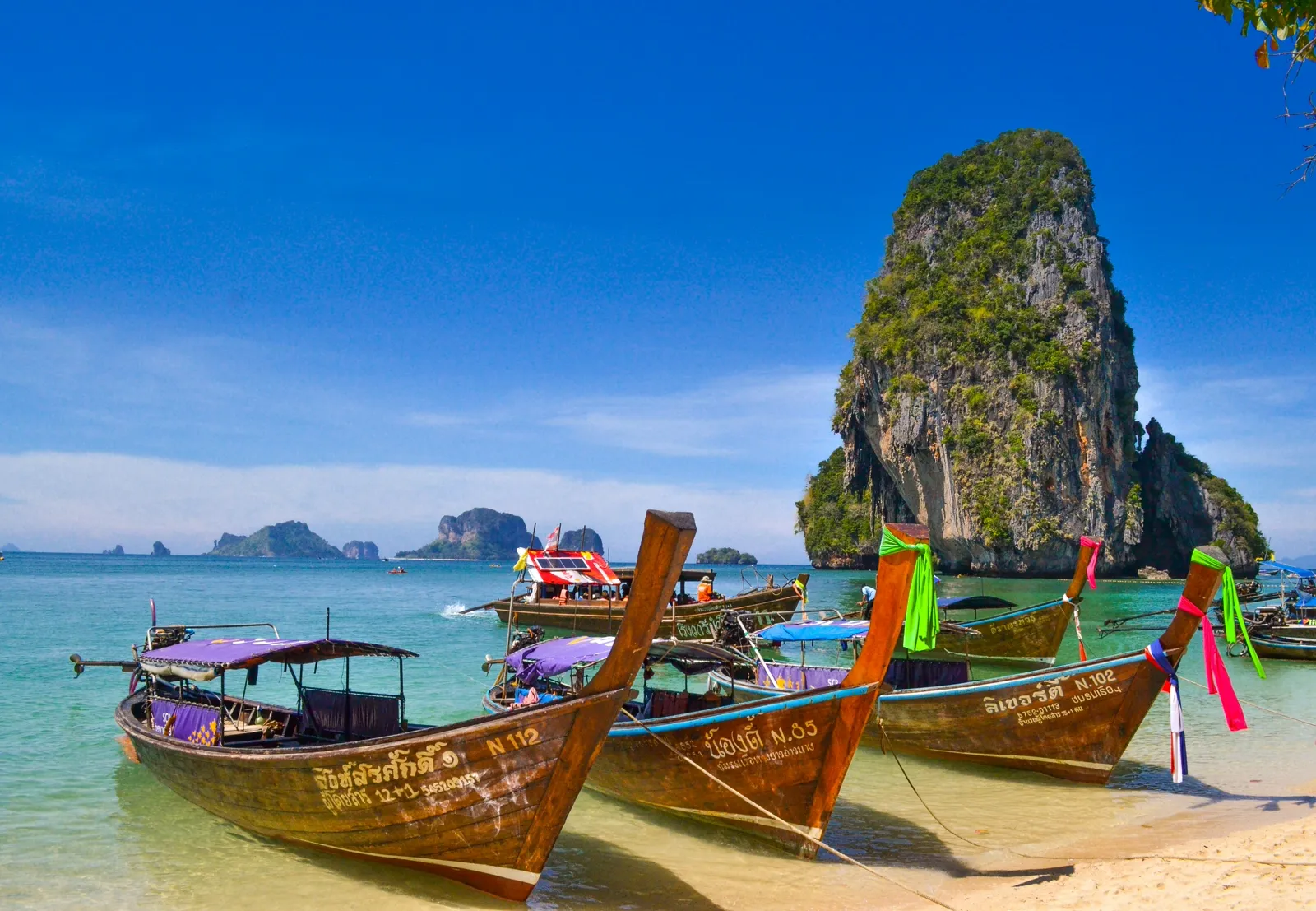
Balagezong Grand Canyon
A 3-hour drive north of Shangri-La, Balagezong is a Tibetan village in a deep canyon reachable only since 2008 (the village was cut off for centuries). The road itself is dramatic — switchbacks carved into cliffs. The destination: Bala village (1,000-year-old Tibetan settlement), an eco-village resort with monastery, hot springs, and views of 5,545m peaks. Worth it for travelers who have a spare full day and want to see Diqing's most dramatic landscape.
No attractions found
Try adjusting your filters or search keywords.
Data Sources
Where this data comes from
- Mafengwo — China's largest travel community
- Ctrip / Trip.com — Attraction reviews & booking
- TripAdvisor — International attraction reviews
- China News — Official tourism information
- — Government tourism data
Opening hours, ticket prices, and phone numbers may change. We recommend verifying via the attraction's official website or calling ahead.